43 Foodtech startups in the UK (free list)
Track funded foodtech companies, founders and investors across the UK startup ecosystem.
 Updated daily by John-Pierre ClarkUpdated daily by John-Pierre Clark
| Date | Startup | Funding | Round | Sector | Location | Connect | Website | Investor1 | Investor2 | Investor3 | Investor4 | Investor5 | Founder(s) |
|---|---|---|---|---|---|---|---|---|---|---|---|---|---|
23 Jul 2026 |  Moa Technology Moa Technology offers a discovery platform and product pipeline for herbici... | £22,200,000 | |||||||||||
14 Jul 2026 |  Reformed Reformed sells arabica coffee and ceremonial matcha blends infused with col... | £17,000,000 | |||||||||||
22 Jun 2026 |  Omni Pet Omni Pet provides veterinary-formulated dog food, treats and supplements vi... | £11,000,000 | |||||||||||
18 Jun 2026 |  Spoon Cereals Spoon Cereals produces a range of granola cereal products sold through UK a... | £1,500,000 | |||||||||||
12 Jun 2026 |  Friday4:30 Friday4:30 is a platform for managing food and drink incidents that logs is... | £335,000 | |||||||||||
1 Jun 2026 |  Lune & Wild Lune & Wild makes frozen chef-crafted meals for babies and young children, ... | £2,000,000 | |||||||||||
11 May 2026 |  Meatly Meatly develops and operates a pilot facility for producing cultivated meat... | £10,400,000 | |||||||||||
29 Apr 2026 |  Neutonic Neutonic makes functional drinks and supplements that combine nootropics wi... | £4,500,000 | |||||||||||
16 Apr 2026 |  All Things All Things makes British dairy products, specialising in a cottage cheese r... | £3,600,000 | |||||||||||
14 Apr 2026 |  Clean Food Group A manufacturing service that produces yeast-derived oils and fats via ferme... | £45,000,000 | |||||||||||
26 Feb 2026 |  Alpa A cloud platform that ingests POS, bank and supplier transactions and conve... | £2,600,000 | |||||||||||
17 Feb 2026 |  The Bland Company The Bland Company produces functional proteins from agricultural side strea... | £2,000,000 | |||||||||||
6 Feb 2026 |  Flavour Bombs Flavour Bombs makes single-use meal bases that dissolve in the pan and cont... | £50,000 | |||||||||||
30 Jan 2026 |  HomeCooks HomeCooks is an online marketplace connecting independent chefs with consum... | £1,400,000 | |||||||||||
12 Nov 2025 |  Limtetrack Limtetrack supplies an IoT-enabled SMART Bin system that records deposits u... | £1,300,000 | |||||||||||
29 Oct 2025 |  Marleybones Marleybones produces Pantry Fresh, a range of slow-cooked, nutritionally ba... | £2,500,000 | |||||||||||
22 Aug 2025 |  SugaROx SugaROx raises £1 million in funding, backed by top investors, to enhance c... | £1,000,000 | |||||||||||
22 Aug 2025 |  Source Certain Source Certain, backed by Greensphere Capital, is set to enhance transparen... | ||||||||||||
8 Aug 2025 |  Dishoom Dishoom secures fresh investment from L Catterton, paving the way for expan... | ||||||||||||
4 Aug 2025 |  Doughlicious Doughlicious raises £3,770,000 to expand its healthy frozen snacks—set to m... | £3,770,000 US$5,000,000 | |||||||||||
23 Jul 2025 |  Modern Baker Modern Baker secures £2.5 million in funding to transform ultra-processed f... | £2,500,000 | |||||||||||
30 Jun 2025 |  Pimentae London's Pimentae secures £1.5m funding to shake up the RTD cocktail scene!... | £1,500,000 | |||||||||||
12 Jun 2025 |  SushiDog SushiDog secures £1.3M funding to fuel its expansion! With 10 locations and... | £1,300,000 | |||||||||||
22 May 2025 |  Sparxell Discover how Sparxell's £1.6M funding is paving the way for eco-friendly co... | £1,600,000 €1,900,000 | |||||||||||
6 May 2025 |  Platter Meet Platter: the game-changing wholesale food platform just clinching £350... | £350,000 | |||||||||||
5 May 2025 |  Ace Aquatec Ace Aquatec secures £10M funding to elevate fish welfare and efficiency in ... | £10,000,000 | Dundee  | ||||||||||
7 Apr 2025 |  Different Dog Different Dog secures £10m funding to boost production and enhance fresh do... | £10,000,000 | |||||||||||
6 Feb 2025 |  Drip Water Big Zuu's Drip Water secures $5 million funding! Discover how this UK brand... | £3,860,000 US$5,000,000 | |||||||||||
17 Jul 2024 | 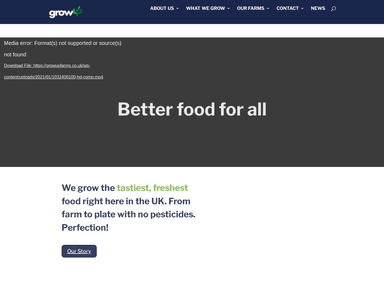 GrowUp London-based vertical farming company GrowUp secures £38M investment from G... | £38,000,000 | |||||||||||
14 May 2024 | 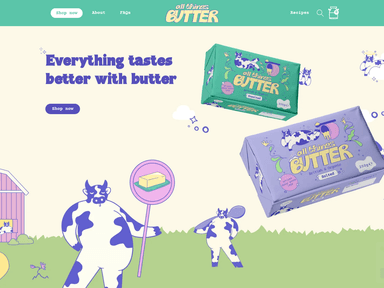 All Things Butter London-based butter brand All Things Butter, known for their viral TikTok s... | £2,200,000 |
1 Explore 43 UK foodtech startups and their founders, who have collectively raised £303.94M.
2 Easily sort, filter, and compare the UK's top startups — customise the list to your needs.
3 Discover top startups for investment, B2B sales, partnerships, hiring, and industry connections.

You can connect with fast-growing foodtech startups with the full list of recently funded startups from the UK.
With startups such as Deliveroo, Gousto, and THIS, the UK foodtech sector is rapidly becoming a major centre for innovation. Driven by changing consumer preferences, sustainability goals, and advancements in technology, foodtech startups are transforming how food is produced, distributed, and consumed.
UK foodtech startup insights
The UK foodtech sector is growing across alternative proteins, supply chain optimisation, food delivery, sustainability and manufacturing innovation. London, Manchester, Bristol and Edinburgh are home to funded startups working on everything from novel ingredients to AI-driven logistics.
Foodtech in this context includes alternative proteins, functional ingredients, food production technology, delivery platforms, kitchen automation, supply chain software and sustainability tools. Funding spans early-stage experiments through to multi-million pound Series A rounds.
Snapshot of the UK foodtech landscape
- Active funding across alternative proteins, logistics and production technology
- Key hubs include London, Manchester, Bristol and Edinburgh
- Round sizes range from SEIS seed rounds to larger institutional financings
- Investors include sustainability funds, consumer VCs and food industry corporates
- Growing demand driven by sustainability, efficiency and new consumer behaviour
Use this page to explore the fastest growing foodtech startups in the UK, with profiles for websites, investors, locations and recent funding rounds.
What does it mean to be a foodtech startup?
Foodtech startups leverage technology and innovative business models to address challenges across the food industry, from production and logistics to consumer experience and sustainability. They aim to improve efficiency, reduce waste, enhance food quality, and offer healthier, more sustainable alternatives.
Foodtech startups utilise technologies such as AI-driven food analytics, alternative protein solutions, precision agriculture, food traceability systems, and online delivery platforms. Their solutions typically address issues such as food waste, supply chain optimisation, nutritional enhancement, plant-based food development, and sustainable packaging.
As innovation in the foodtech sector continues to accelerate, numerous foodtech investors are actively funding startups aiming to revolutionise the future of food. Let’s explore the key areas currently being developed within foodtech innovation:
5 types of foodtech startups
FoodTech startups innovate across food production, preparation, delivery, and sustainability, reshaping how we produce and consume food. Here are five distinct categories of FoodTech startups:
Food Delivery Startups
Platforms facilitating fast and convenient delivery from restaurants or grocery stores (examples: Deliveroo, Just Eat, Gorillas, Getir).
Alternative Protein Startups
Companies developing plant-based or lab-grown alternatives to meat and dairy products (examples: Beyond Meat, Impossible Foods, THIS, Higher Steaks).
Vertical Farming & AgTech Startups
Startups using innovative indoor farming techniques to grow food sustainably, reducing environmental impact (examples: Infarm, LettUs Grow, AeroFarms, Vertical Future).
Food Waste Reduction Startups
Businesses addressing food waste through redistribution, repurposing, or innovative packaging solutions (examples: Too Good To Go, OLIO, Winnow, Oddbox).
Personalised Nutrition Startups
Companies providing customised dietary recommendations or meal plans based on individual health data (examples: Zoe, Gousto, Nutrigenomix, Lifesum).
Related foodtech and agritech resources
Frequently asked questions
Foodtech startups use technology to improve how food is produced, distributed, sold, consumed or made more sustainable. UK foodtech startups commonly work across alternative proteins, food delivery, supply chain software, nutrition, vertical farming, waste reduction, restaurant technology and consumer food brands.
Foodtech startups are growing because consumers, retailers and food producers face pressure around cost, sustainability, health, convenience and supply chain resilience. Founders are building products that improve food production, reduce waste, create new ingredients or make food businesses more efficient.
Foodtech startups raise funding from angel investors, venture capital firms, consumer funds, climate funds, grants and strategic food industry partners. Funding appetite often depends on margins, production scalability, regulatory pathway, customer demand and evidence of repeat purchases.
Investors look for foodtech startups with clear consumer or industry demand, scalable operations, strong margins and a defensible product or process. For science-led foodtech, technical validation and manufacturing scale-up are especially important.
Growing UK foodtech sectors include alternative proteins, nutrition, food waste reduction, restaurant software, supply chain technology, vertical farming and sustainable ingredients. Startups that connect food innovation with climate, health or operational efficiency are particularly relevant.